What Is Spawn
This documentation is still in progress. Some sections may be updated, expanded, or revised as SPAWN evolves.
Token markets are supposed to do one thing: help communities form around shared conviction.
Instead they consistently reward whoever is closest to the extraction layer.
Bots outrun people. Bundlers capture supply before communities form. Chain silos fracture discovery so great projects miss their audience based on where they happened to launch. On-chain permanence is handed out like a formality rather than something earned.
None of that is inevitable. It's what you get when launchpads are designed for the wrong things.
Spawn is built to fix that at the design level — where communities own the outcome, fairness is enforced by the engine, discovery isn't bound by chain, and on-chain permanence is something a token has to earn.
What Spawn Does Differently
Fairness is enforced, not promised. MEV extraction, bundling attacks, and queue-jumping through gas bids aren't against the rules on Spawn. They're not possible on Spawn. Spawn's off-chain execution engine removes the mempool these attacks depend on. Fairness is a property of the engine, not a policy.
Trading is instant and gasless. Spawn's off-chain bonding curve engine executes trades in real time. No block confirmation delays, no gas fees, no approval transactions. Everyone participates in the same market at the same speed.
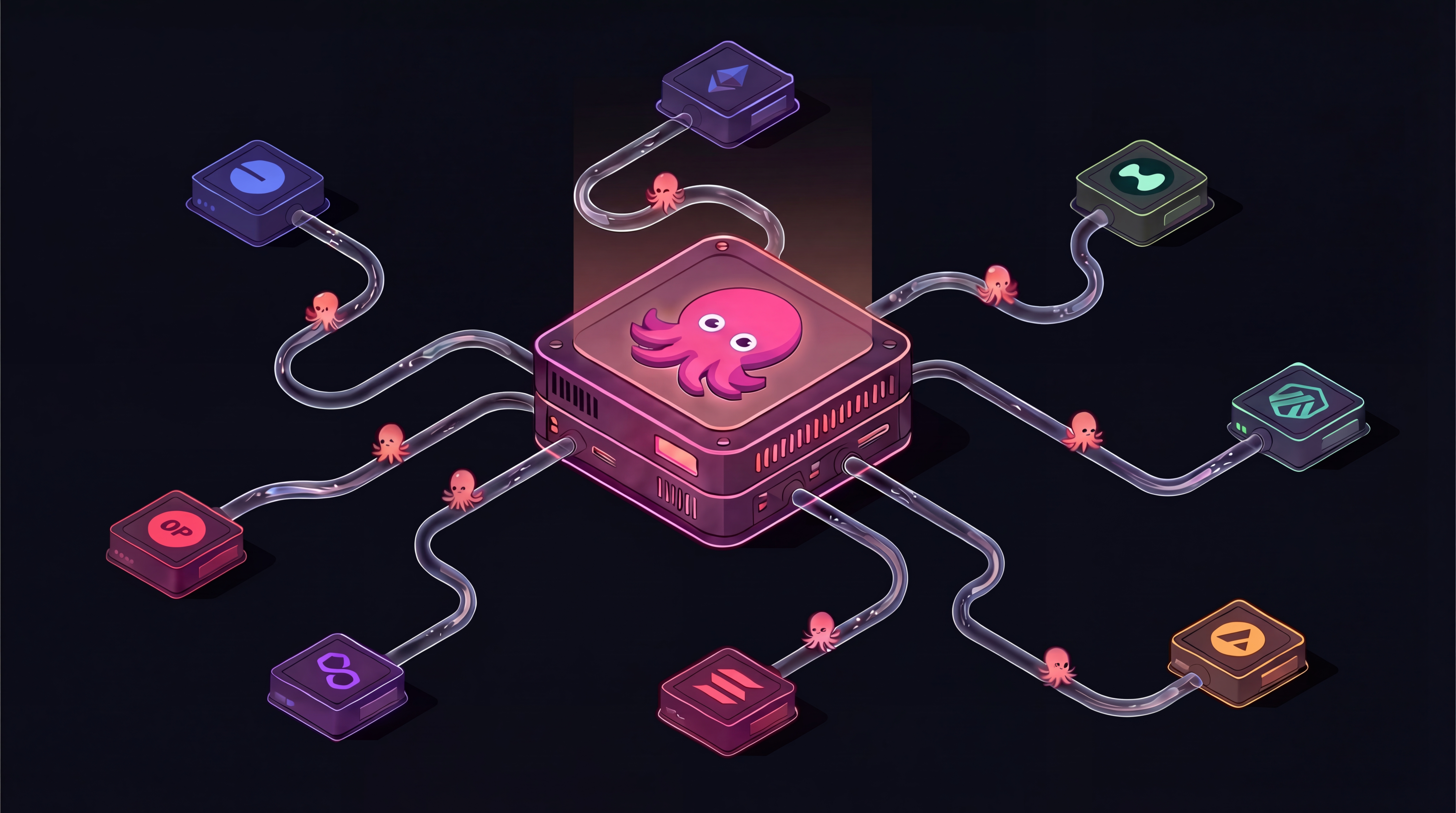
Discovery is chainless. A project's reach on Spawn isn't determined by which chain it launched on. Tokens are discoverable across ecosystems - capital flows toward conviction, not toward whichever chain is trending. That's not multi-chain. It's a different model entirely.
On-chain permanence is earned. Tokens don't deploy on-chain until they've demonstrated real demand through the bonding curve phase. A graduated token has survived a fair, open market and crossed a threshold that was never guaranteed. That's a different thing to hold.
You keep custody. Deposits and withdrawals are permissionless and non-custodial. Your funds move on-chain; Spawn never holds them.
Our Vision
The infrastructure is supposed to help communities form around shared conviction - instead it consistently rewards whoever is closest to the extraction layer. That's not a law of nature. It's the product of launchpad designs that optimised for the wrong things.
Spawn is built around a single belief: token markets should coordinate communities around shared upside, not give sophisticated actors a structural advantage over them.
The long-term goal isn't just a better launchpad - it's a model for how token markets can work when they're designed for communities rather than extractors. Spawn is the starting point for that model.
As you read through these docs, hold two questions at once: what is Spawn's principle here, and how does the platform enforce it? The design choices only make sense together.
Read Next
- Spawning a Token - how to launch on Spawn
- Core Pillars & Layers - the principles behind each design decision
- How Trading Works on Spawn